
What Drives Us
A BIRTHRIGHT (1908–1920s)
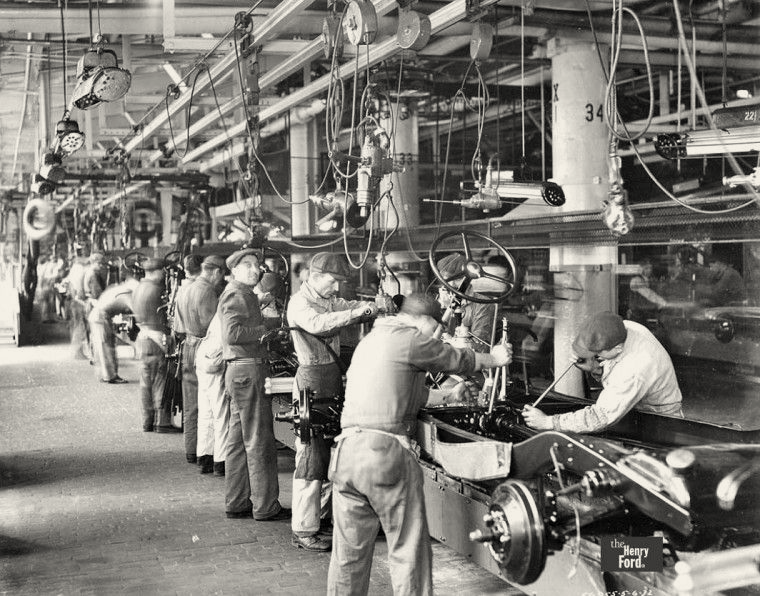
The car didn't just change how Americans moved. It changed who they could become.
Henry Ford understood something no one else did: the automobile wasn't a luxury. It was a birthright. He looked at the machine that only the wealthy could afford and saw what it could be. He built the assembly line not for efficiency alone, but for democracy. The Model T wasn't a car. It was the fundamental triumph of the American dream, writ large in steel and motion.
Before Ford, your world was your town. Your father's trade was your trade. The road ended where the horse got tired. Then suddenly, for a working man's wage, a factory hand could take his family to the ocean. A farmer's son could drive to a city and never come back. The car was the second American revolution: not freedom from something, but freedom to go.
THE OUTLAWS (1920s–1940s)
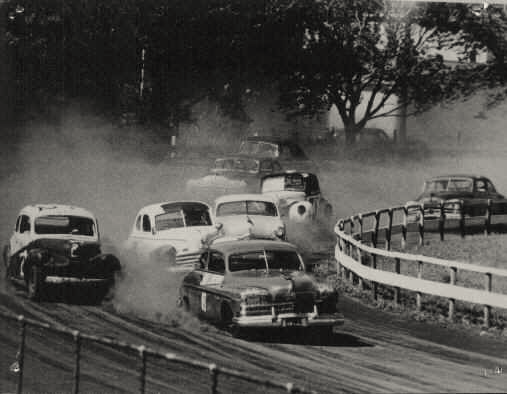
Prohibition's chilling shadow tried to put America on ice. The cold hand of the law threatened to snuff out its spark. Cylinders roared. Spark plugs fired. And in those Carolina hills, defiance found its tune.
Bootleggers pushed the limits of fire and steel, outrunning federal agents on dirt roads in souped-up Fords. They learned every curve by moonlight. They rebuilt their engines in secret. They kept racing long after Prohibition ended, because it was never about the whiskey. It was about the win. NASCAR was born from outlaws chasing freedom on moonlit mountain nights.
Then came the war. The factories went quiet. The might of American machines left the streets and crossed the ocean, sent with the brave hearts of a generation to fight for the freedom of the world.
SACRED GARAGE (1945-1950s)
The soldiers came home. The world had changed. America had grown up, found a new place and purpose. The dust settled. The smoke cleared. It was time to rebuild. The dust settled. The smoke cleared. It was time to rebuild.
Suburbs sprawled across the country. Every house had a driveway. Every driveway had a garage. And in those garages: toolboxes, wrenches, jack stands, lug nuts, and bolts. Drag strips opened from California to the Carolinas, from Appalachia to the heartland, from the factory towns of the North to the red clay of the South to the wide-open Western expanse. What the bootleggers had built in secret, a generation now built in the open.
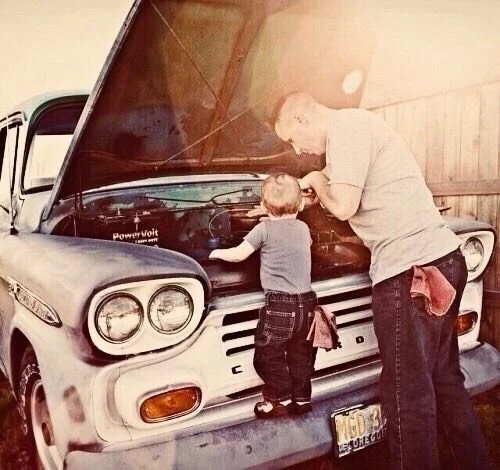
The garage became sacred. Fathers and sons, hands black with grease, rebuilding what moves them under a bare bulb. It was dignity. It was craft. It was inheritance. It was American.
THE ALLIES (1950s–1960s)
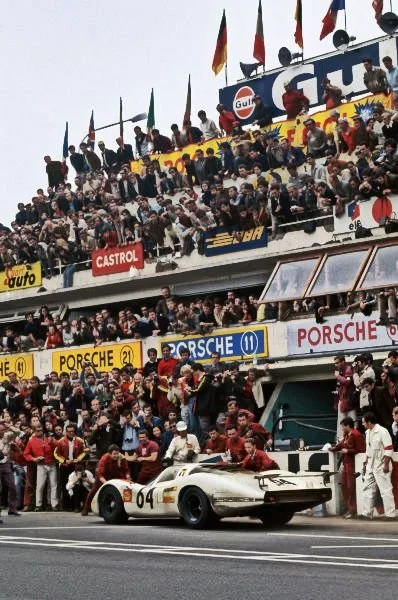
Something else came home with the soldiers.
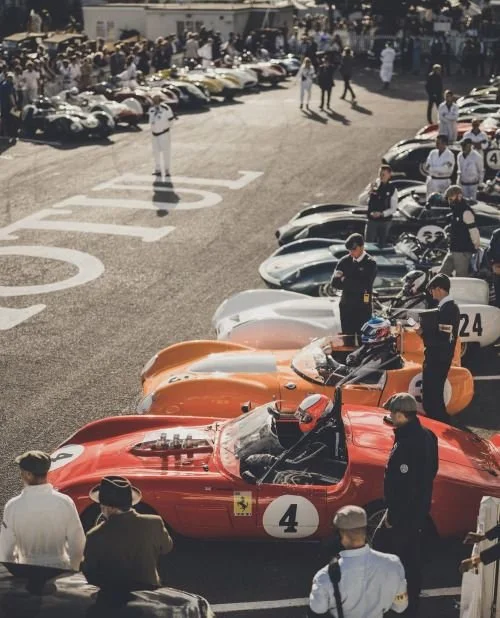
American GIs stationed in Europe discovered machines they'd never seen. MGs, Alfa Romeos, Jaguars, Porsches. Lighter. Lower. Built for corners, not straightaways. Europe had given the world speed as sculpture. Precision as devotion. Every curve of a Ferrari, every bolt in a Porsche, carried centuries of craft. But Europe had no room to run. The roads wound through villages, ended at borders, curved around history.
America had the horizon.
When those machines crossed the Atlantic, they found room to run. And America found something new to love. The roads changed. The races changed. The conversation changed. Precision met power. And neither was ever the same.
MOTOR CITY (1960s–1970s)
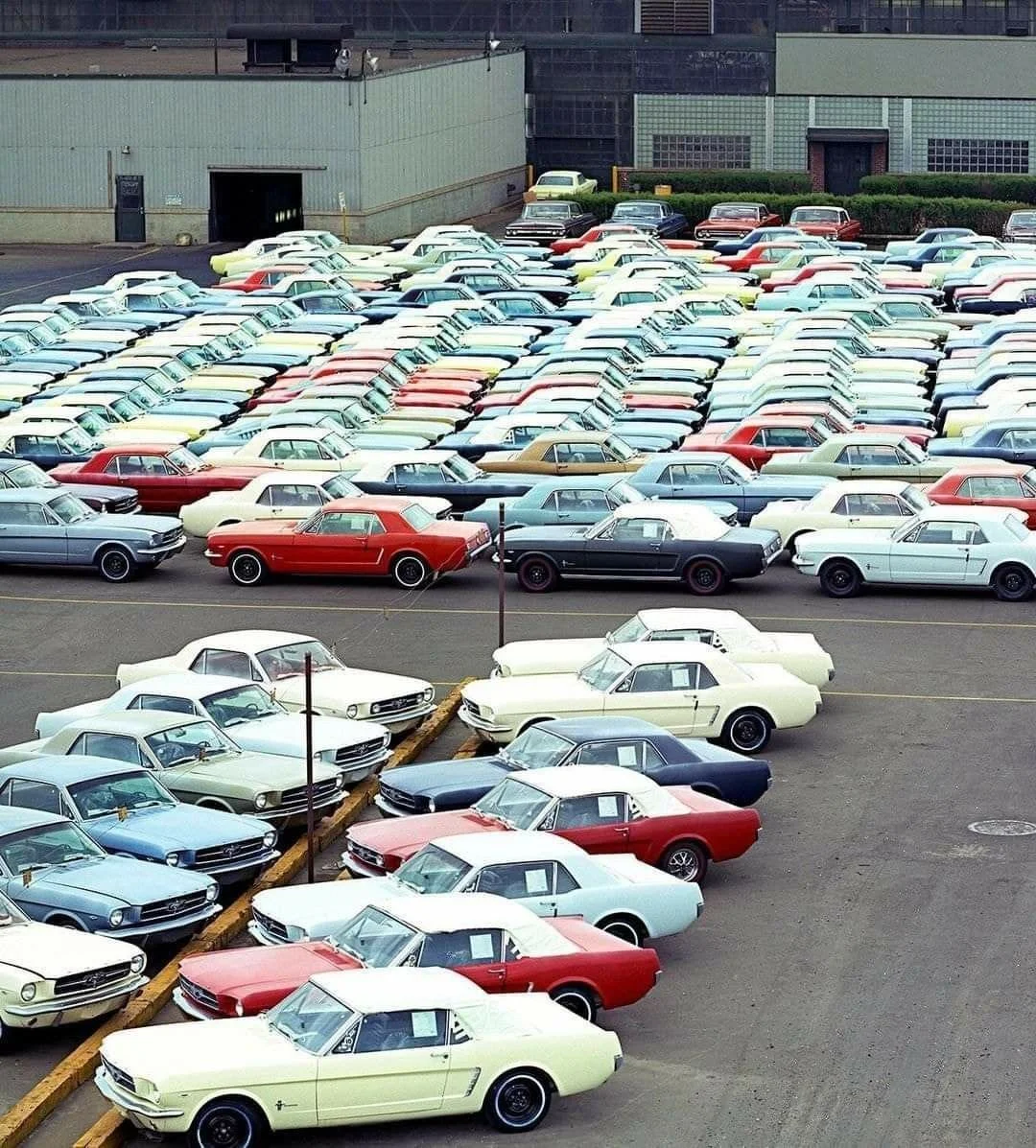
Then Detroit answered. Not with finesse. With force.
The Big Three forged the muscle car in the foundries of the industrial heartland. Straight lines. Big blocks. The rumble of a V8 at idle that you felt in your chest before you heard it in your ears. The Mustang. The Camaro. The Challenger. The GTO. Names that didn't whisper. They announced.
Detroit didn't build cars. Detroit built thunder. The roar of the new heartland. This was the backbone of American industry given voice. The assembly lines that built the Arsenal of Democracy now built something else. Speed as birthright. Power as proof of what a nation can do when it turns its full attention to the road.
THE ROAD HOME
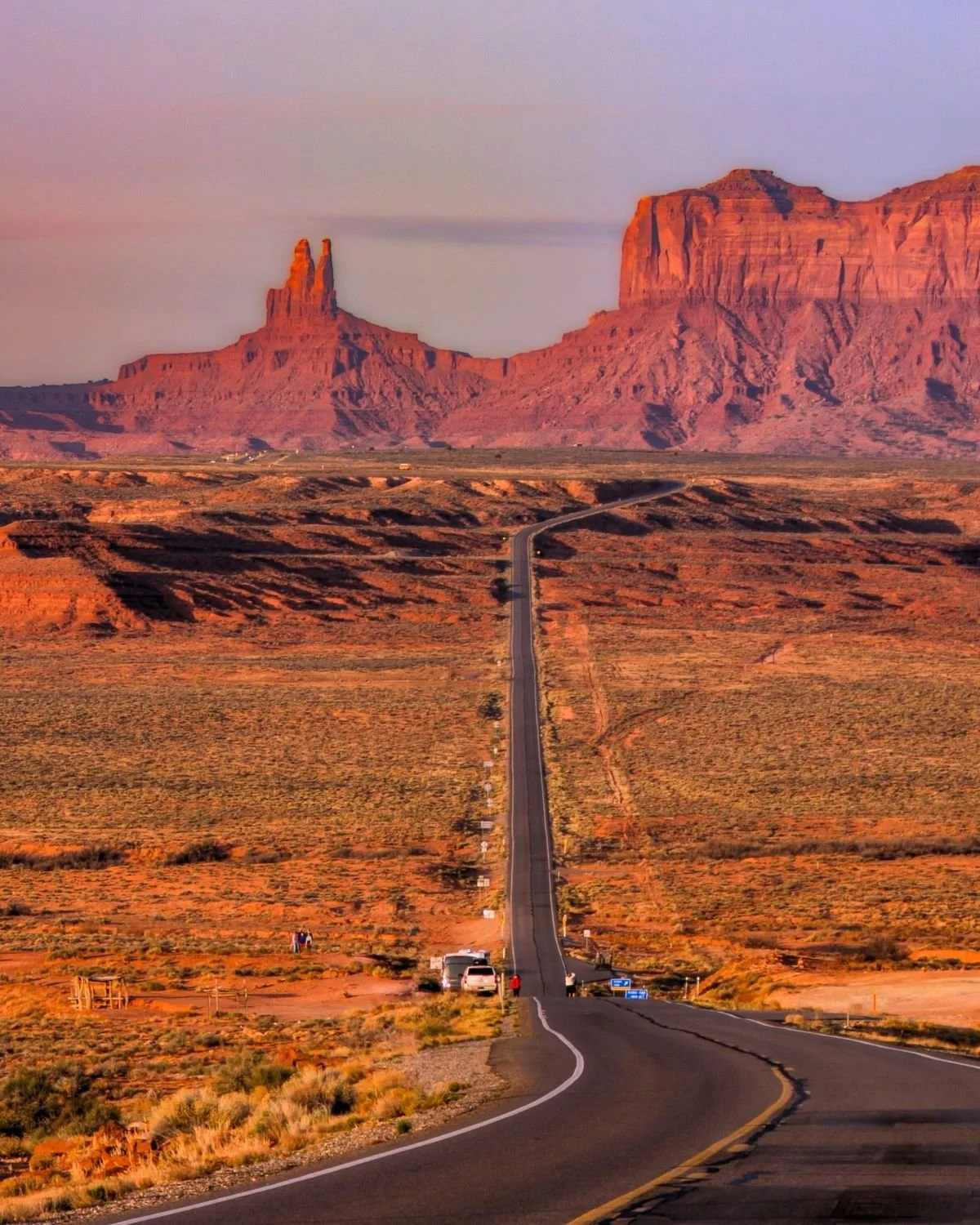
The car became the way Americans understood their own country.
You didn't read about the Rockies. You drove through them. You didn't imagine the Pacific. You arrived at it, salt air through the open window, engine ticking as it cooled.
The road was how a sprawling, impossible nation stitched itself into one fabric. One flag, every highway a seam. Every mile marker a stitch. Stars and stripes. Mountains and prairies.
From coast to coast, you can feel it. The wind in your hair, the road in your bones. It's a calling. These cars aren't just machines. They never were. They're a legacy. Ours to carry. Ours to pass down.
OUR LEGACY (2023–Now)
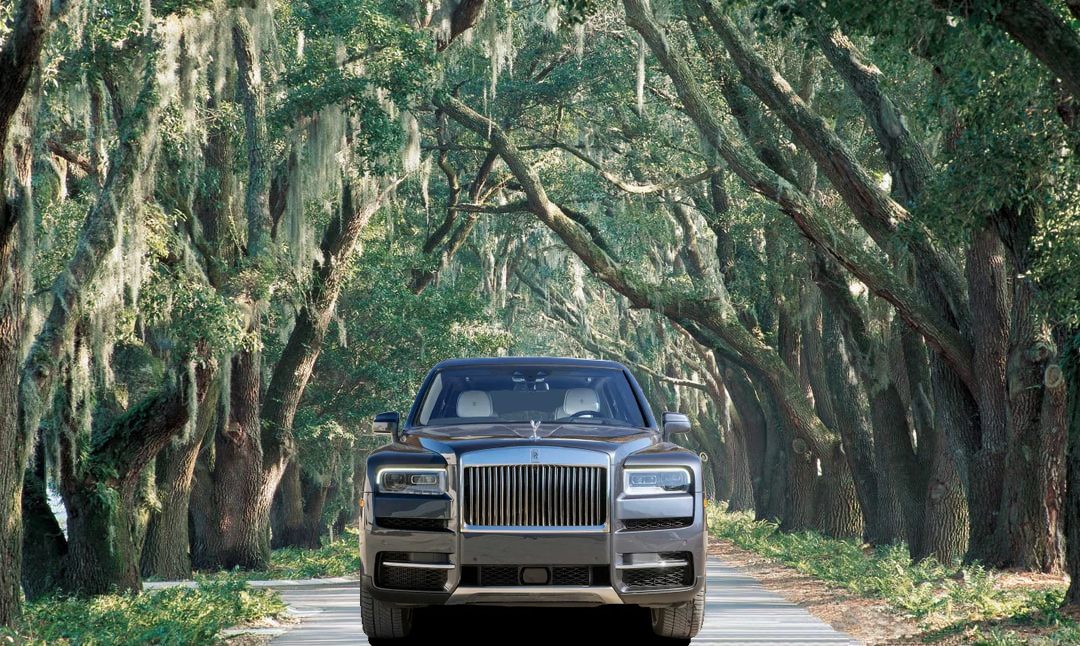
CarVillage USA is our commitment to this way of life.
A sanctuary for your machines. Your garage, customized and built out according to your personal vision. Deeded. Yours. And one day, theirs.
A club. A place to belong, with the kind of people you want to share all this with. Families. New friendships become old ones. This life, celebrated together.
Out where Spanish moss drapes the live oaks, the land opens up. Driving these roads, we remember the beauty that God made. It's ours to enjoy, and ours to protect.
Our legacy lives here.
Two ways to be a part of it.